How to Choose a Lightweight Mobility Scooter (2026 Guide)
-
 Jericho De Guzman
 - 2026-01-08
- 0 comments
 Jericho De Guzman
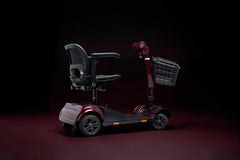
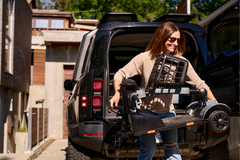
A lightweight mobility scooter offers something heavier models simply can't: freedom that travels with you. It folds into a trunk, stores in a closet, and lets you stay independent without needing help to move it. But not all "lightweight" scooters are created equal, and the specs can get confusing fast.
Here is a clear, step-by-step way to choose the right lightweight scooter in 2026, without the jargon, so you buy once and buy right.
Key Takeaways
- Start with how and where you will use the scooter, then match the specs to that.
- Weight, folding mechanism, range, and comfort are the four factors that matter most.
- An aluminum folding frame gives the best balance of light weight and durability.
- Always check weight capacity, warranty, and support before you buy.
Step 1: Define How You'll Use It
Indoor errands and short trips call for a compact, easy-to-steer scooter. Frequent travel calls for a fast-folding model you can gate-check or lift into a car. Longer outdoor rides call for more range and a slightly sturdier frame. Your routine, not the spec sheet, should lead the decision. Write down your three most common trips, they will point you to the right scooter.
Step 2: Weigh the Weight (and the Fold)
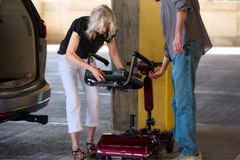
The whole point of a lightweight scooter is that you can move it yourself. Choose a scooter you, or a caregiver, can lift comfortably, and confirm how it folds. Folding models like the Journey Lite collapse in seconds; others disassemble into lighter pieces. Try the motion before you commit, an easy fold you will use beats a clever fold you won't.
Step 3: Check the Range
Battery range tells you how far you can go on one charge, typically 10 to 25 miles for lightweight scooters. Add a buffer over your longest normal outing so you are never caught short. If you travel, look for a scooter with an airline-friendly lithium battery, our air travel guide explains the rules. And remember that rider weight, hills, and cold weather all reduce real-world range.
Step 4: Don't Sacrifice Comfort
Lightweight should not mean uncomfortable. A padded, supportive seat, adjustable where possible, plus smooth tiller steering, makes every ride easier on your back, hips, and hands. Comfort is what turns a scooter from a tool into genuine freedom, especially on longer outings.
Step 5: Confirm Capacity, Warranty, and Support
Check the weight capacity against your needs (leave headroom), read the warranty terms, and make sure real support stands behind the product. Our Support Center is a good example of the backup you should expect from any mobility brand.
3-Wheel or 4-Wheel? A Quick Note
Wheel count affects handling. 3-wheel scooters turn tighter and suit indoor and tight-space use; 4-wheel scooters add outdoor stability. Both can be lightweight and foldable. Our 3-wheel vs 4-wheel guide covers the trade-offs in detail.
Lightweight vs. Heavy-Duty: A Quick Comparison
Heavy-duty scooters win on range and rough-terrain power but lose on transport and storage. Lightweight scooters win on freedom, travel, folding, and everyday convenience, at the cost of some maximum range. For most seniors and travelers, lightweight is the better everyday choice. Still deciding between a scooter and a chair? Our scooters vs. wheelchairs guide can help.
Common Mistakes to Avoid
- Buying on price alone, fit and comfort matter more than a small saving.
- Ignoring folded size, always measure against your trunk or storage space.
- Overlooking the seat, an uncomfortable seat ruins an otherwise great scooter.
- Forgetting the warranty, it protects your investment for years.
Conclusion
Choosing a lightweight mobility scooter comes down to matching the scooter to your life, light enough to move, comfortable enough to enjoy, and dependable enough to trust every day. At Onward Mobility, that is exactly what we design our scooters to deliver.
Frequently Asked Questions
What counts as a lightweight mobility scooter?
Lightweight scooters use materials like aluminum to keep the frame easy to lift and fold, so one person can transport and store them.
Are lightweight scooters good for outdoor use?
They handle smooth pavements and everyday outdoor trips well. For rough terrain or very long rides, a heavier-duty scooter may suit you better.
How far can a lightweight scooter travel?
Most lightweight scooters travel 10–25 miles per charge, depending on the battery and model.
Can I fly with a lightweight mobility scooter?
Yes, foldable scooters with approved lithium batteries are travel-friendly. See our air travel guide for the details.
What is the most important feature to check?
Match weight and folding to what you can physically handle, then confirm range, comfort, and weight capacity fit your needs.
Is a 3-wheel or 4-wheel scooter lighter?
Both can be lightweight; 3-wheel models sometimes shave a little weight and turn tighter, while 4-wheel models add stability.