A Caregiver's Guide to Choosing the Right Mobility Aid
-
 Jericho De Guzman
 - 2026-07-01
- 0 comments
 Jericho De Guzman
Helping a loved one choose a mobility aid is one of the most caring things you can do — and one of the most confusing. This guide walks caregivers through the key questions, the main options, and how to match the right aid to the person's real needs.
Key Takeaways
- Start with the person's daily needs, not the product features.
- Scooters suit distance; wheelchairs suit support; power-assist upgrades a manual chair.
- Comfort, safety, and easy transport matter as much as the device itself.
- Involve your loved one in the decision to protect their dignity and independence.
Start With Their Needs
Before comparing products, ask: How far do they need to go? Can they walk short distances? Do they have upper-body strength? Will the aid travel in a car or stay at home? The answers point you toward the right category.
Match the Aid to the Person
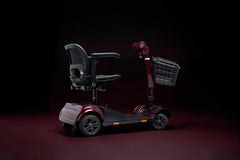
- Wants distance without fatigue? A mobility scooter like the Journey Lite restores independence for errands and outings.
- Needs postural support or full-time seating? A wheelchair such as the Titanium Rigid Wheelchair offers comfort and stability.
- Loves their manual chair but tires easily? Power-assist wheels like Volt add effortless help.
- Facing steps or thresholds? A portable ramp removes the barrier.
Don't Forget Comfort and Transport
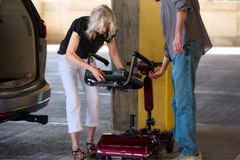
The best aid is one your loved one will actually use. Prioritize supportive seating, easy controls, and — if it needs to travel — a lightweight, foldable design. Our guide to choosing a lightweight scooter and rigid vs. folding wheelchair guide can help you compare.
Involve Your Loved One
A mobility aid is personal. Include your loved one in the choice — color, comfort, and how it makes them feel all matter. Shared decisions protect dignity and make adoption far more successful.
Conclusion
Choosing well starts with understanding needs, matching the right category, and prioritizing comfort and dignity. At Onward Mobility, we're here to help caregivers find the right fit with confidence.
Frequently Asked Questions
How do I know if my loved one needs a scooter or a wheelchair?
Scooters suit those who can sit upright and want to cover distance; wheelchairs suit those needing postural support or full-time seating.
What if they don't want to give up their manual wheelchair?
Power-assist wheels add electric help to the chair they already use, so they keep what they love with less strain.
What matters most when choosing?
Match the aid to their real daily needs, and prioritize comfort, safety, and easy transport so they'll actually use it.
Should my loved one be involved in the decision?
Yes — shared decisions protect dignity and make the person far more likely to embrace their new mobility aid.