Wheelchair Ramps: Types, Sizes, and How to Choose
-
 Jericho De Guzman
 - 2026-09-03
- 0 comments
 Jericho De Guzman
A good ramp turns a barrier into a doorway. Whether it's a single step at the front door, a curb on your street, or getting a scooter into a vehicle, the right wheelchair ramp makes daily life smoother and safer. This guide covers the ramp types, sizing, and slope rules you need to choose well.
Key Takeaways
- Ramp type depends on where and how you'll use it, thresholds, steps, or vehicles.
- Slope matters most for safety, longer ramps make steeper heights safe.
- Portable, foldable ramps are ideal for travel and multiple locations.
- Always match the ramp's capacity to your device and rider weight.
Common Types of Ramps
Threshold Ramps
Small wedge ramps that smooth out doorways and single small rises, perfect indoors and at entryways.
Folding and Portable Ramps
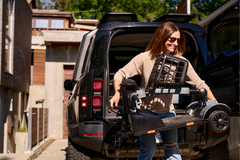
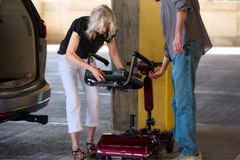
Lightweight ramps that fold for transport, great for travel, visiting others, and loading a scooter into a vehicle. Our EZ Ramp is designed exactly for this, quick to deploy and easy to carry.
Channel (Track) Ramps
Two separate tracks for wheels, compact and light, though they require careful alignment.
Understanding Slope and Length
The single most important safety factor is slope, how steep the ramp is. A gentler slope is safer and easier to climb. As a rule of thumb, a longer ramp is needed for a higher rise to keep the slope safe. Steeper is harder to climb and riskier to descend, so err toward longer when in doubt, especially for powered scooters and unassisted use.
Sizing Your Ramp
- Measure the rise (the total height you need to climb).
- Choose a length that keeps the slope gentle and safe for your device.
- Check the width against your scooter or wheelchair.
- Confirm the weight capacity covers your device plus rider.
Matching the Ramp to Your Needs
- Home entry: a foldable or threshold ramp for steps and doorways.
- Vehicles: a portable folding ramp you can carry and deploy anywhere.
- Multiple locations: a lightweight portable ramp travels with you.
Pair a ramp with a foldable scooter like the Journey Lite for true go-anywhere freedom. For more, see our guide on portable wheelchair ramps.
Safety Tips
- Approach and climb ramps straight on and slowly.
- Keep ramps dry and free of debris for traction.
- Don't exceed the ramp's rated capacity.
- Use edge barriers where available to prevent slips off the side.
Conclusion
The right ramp is the one that fits your rise, your device, and your life, safe slope, sufficient capacity, and portability where you need it. At Onward Mobility, we help you open every doorway.
Frequently Asked Questions
What type of ramp do I need for a doorway?
A threshold ramp smooths small rises at doorways; a foldable ramp works for steps and taller entries.
How long should my ramp be?
Long enough to keep the slope gentle for your rise, longer ramps make higher steps safe, especially for powered scooters.
Are portable ramps safe for scooters?
Yes, when sized correctly for the rise, width, and weight. Approach straight on and go slowly.
What weight capacity do I need?
Choose a ramp rated for your device plus rider weight, with a margin to spare.
Can I use one ramp in multiple places?
Yes, a lightweight folding ramp is ideal for home, vehicles, and travel.